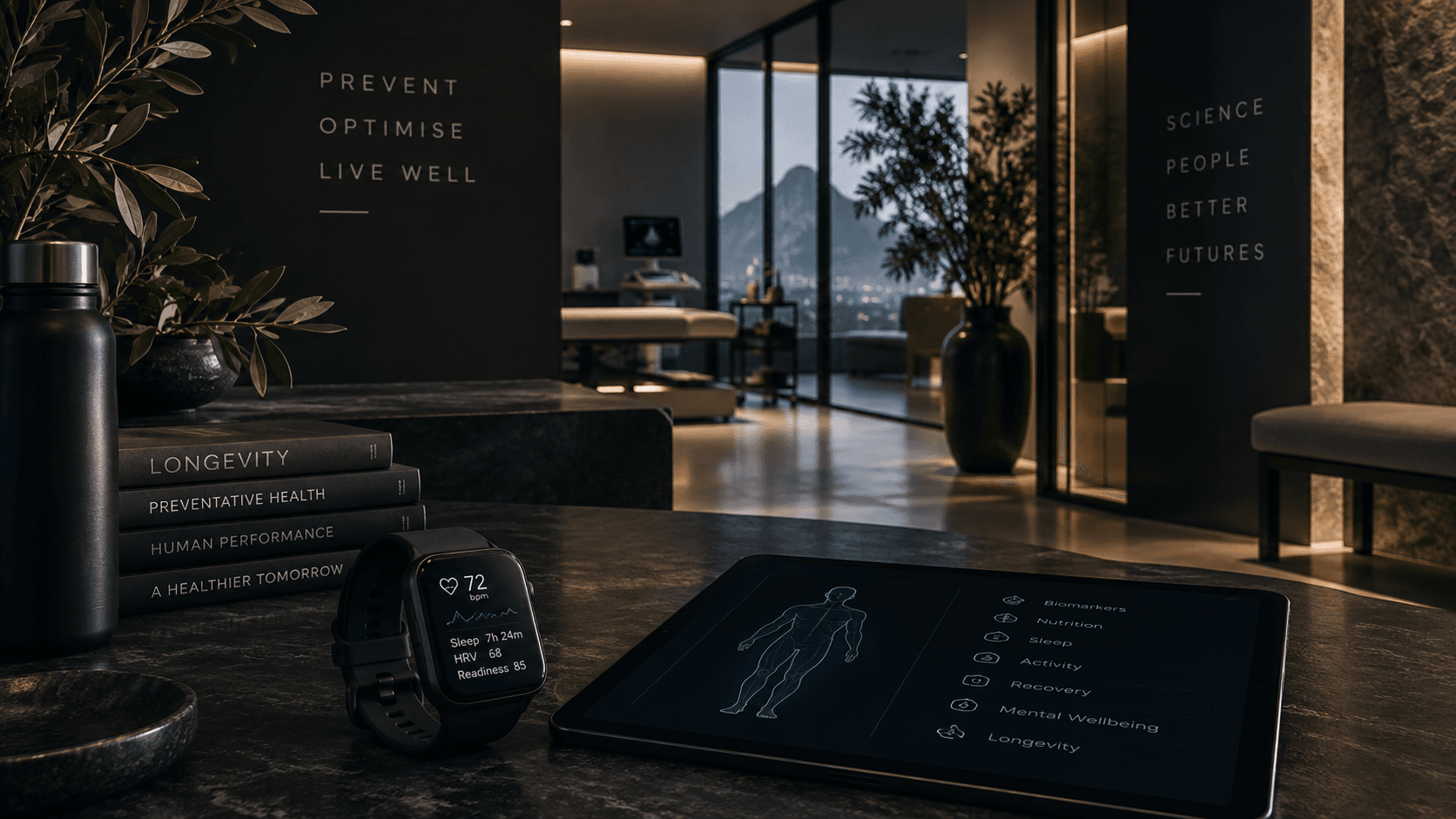
There was a time when learning more about your health generally meant going to the doctor.
You might have your blood pressure checked, have a blood test if something needed investigating, or undergo a scan when there was a clinical reason for one. Most of the information we collected about our bodies came from relatively isolated moments, usually because somebody was looking for something specific.
That is beginning to change.
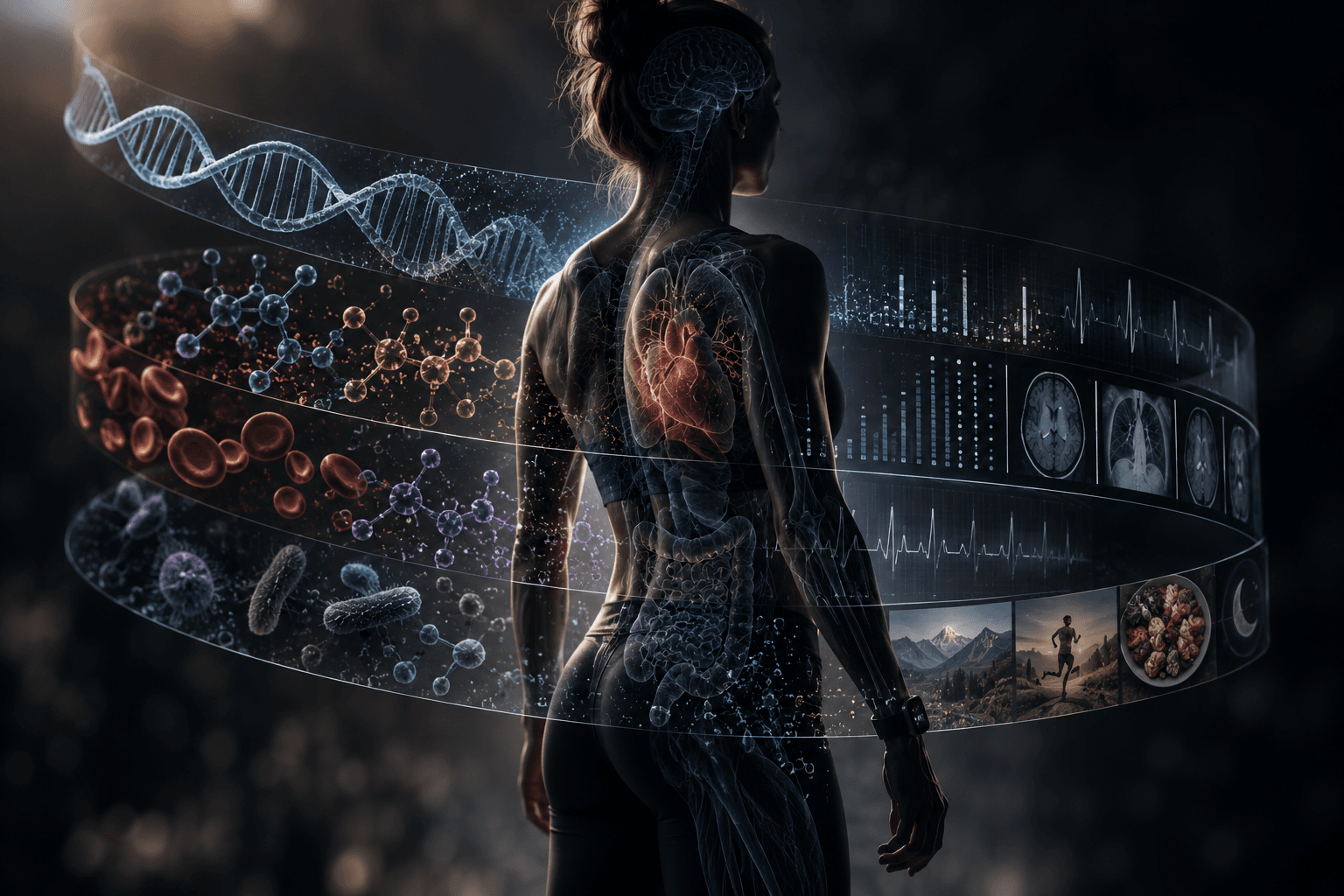
Many of us now generate health data every day without really thinking about it. A watch tracks sleep, heart rate and activity. Blood testing can measure an expanding range of biomarkers, while genomic testing can reveal inherited risks or help determine how someone might respond to certain medicines. Researchers are going deeper still, looking at proteins, metabolites, the microbiome and other biological information to understand what is happening inside the body, sometimes long before there are any obvious signs that something is wrong.
This raises an interesting question for preventative health. What could we learn about someone's health before there is an obvious reason to look?
For most of modern medicine, there has usually been a trigger. A symptom, an abnormal result, a family history or something else that gives a clinician a reason to investigate. Increasingly, we have technologies capable of looking earlier, following changes over time and identifying risks that might otherwise have remained hidden.
The earlier we can identify meaningful changes in someone's health, the more opportunity there may be to do something about them.
The science isn't moving at the same speed everywhere. Some of these technologies already have established clinical applications, while others are showing real promise but are still developing. There are also areas of commercial wellness where the claims have probably moved faster than the evidence.
But together, they're beginning to change both what we can know about our health and when we can know it.
Measuring health between appointments
Wearables are probably the clearest example of how quickly our relationship with health data has changed. The first generation of consumer fitness trackers was relatively simple, measuring things like steps, distance, calories and perhaps heart rate. Today's devices can follow sleep patterns, resting heart rate, heart-rate variability, temperature changes, blood oxygen and other physiological signals, depending on the device.
That information is also starting to make its way into healthcare. Rock Health's 2025 consumer research found that 59% of wearable owners had discussed information from their device with a healthcare provider, including 30% who said they did so regularly.
For a doctor, that potentially means having information about what has been happening during the weeks or months between appointments. How has someone been sleeping? Has their resting heart rate changed? How active have they actually been? Has something shifted noticeably from their normal baseline? A smartwatch certainly isn't a replacement for proper clinical testing, and not everything these devices measure is equally reliable or useful, but having months of information available is very different from measuring something once during an appointment.
Healthcare has traditionally relied heavily on snapshots: a blood pressure reading, a blood test, an ECG or a consultation. All of them can provide valuable information, but they usually tell us something about a particular moment. Wearables are beginning to add something we haven't historically had nearly as much of: a timeline.
A single measurement can tell us what is happening at one moment. Longitudinal data can begin to show us what is changing.
What if we looked before there was a reason to?
Wearables allow us to follow certain aspects of our health over time, but there is a much deeper layer of information that can't be captured from a device on your wrist.
Blood testing is hardly new, but the amount we can measure has expanded enormously. Cardiovascular markers, glucose regulation, hormones, inflammation, liver and kidney function, nutrients and metabolic indicators can all contribute different pieces of information about what is happening inside the body. Beyond conventional blood markers, researchers can study proteins through proteomics, metabolites through metabolomics and the enormous communities of microorganisms living in and on us through microbiome analysis.
Genomics gives us a different kind of information, and this is where the idea of looking earlier becomes particularly interesting.
Genomic testing already plays an important role in areas including rare disease and oncology, but there has traditionally been a reason for someone to investigate. A disease, a particular clinical presentation or a family history might suggest that genetic information could provide an answer. Preventative genomics starts to change that sequence by asking what we might discover if we look at the genome before someone is necessarily ill or conventional risk factors give us a reason to investigate.
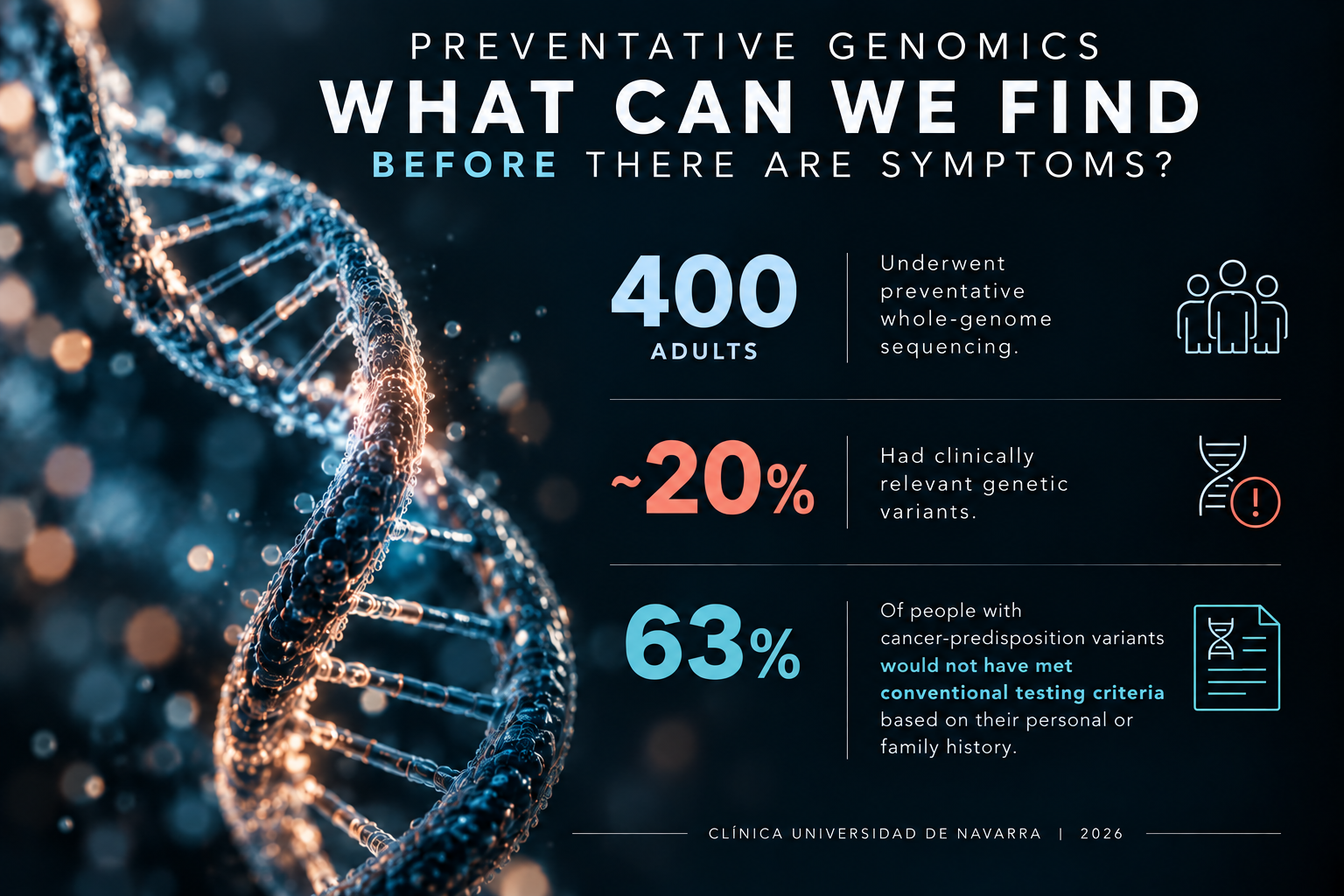
A 2026 study from Clínica Universidad de Navarra in Spain gives us a good example. Researchers incorporated whole-genome sequencing into preventative health assessments for 400 adults and found that almost 20% carried clinically relevant genetic variants.
The more striking finding was where some of those variants were found. 63% of the cancer-predisposition variants identified were in people who would not have met conventional testing criteria based on their personal or family history. The researchers also identified pharmacogenomic findings, where genetic differences can influence how someone responds to particular medicines.
That is important because the conventional signals that might normally have prompted genetic testing weren't necessarily there. If those people had only been investigated after developing disease or because their family history suggested increased risk, some of that information may have remained hidden.
Those findings certainly don't make whole-genome sequencing an obvious screening test for everyone. There are still significant questions around which findings are genuinely actionable, how results should be interpreted and communicated, and whether identifying a risk actually gives us something useful to do about it. But the study demonstrates why genomics is becoming such an interesting area for preventative health.
If we only investigate when something gives us a reason to look, there will inevitably be things we don't see.
Genomic information is also different from many of the other measurements we're collecting. Heart rate changes. Glucose changes. Cholesterol changes. Sleep changes. Our underlying DNA sequence remains largely fixed. Rather than repeatedly measuring it, genomic information could potentially provide one relatively permanent layer of someone's health profile, which can then be interpreted alongside biological and physiological information that changes throughout their life.
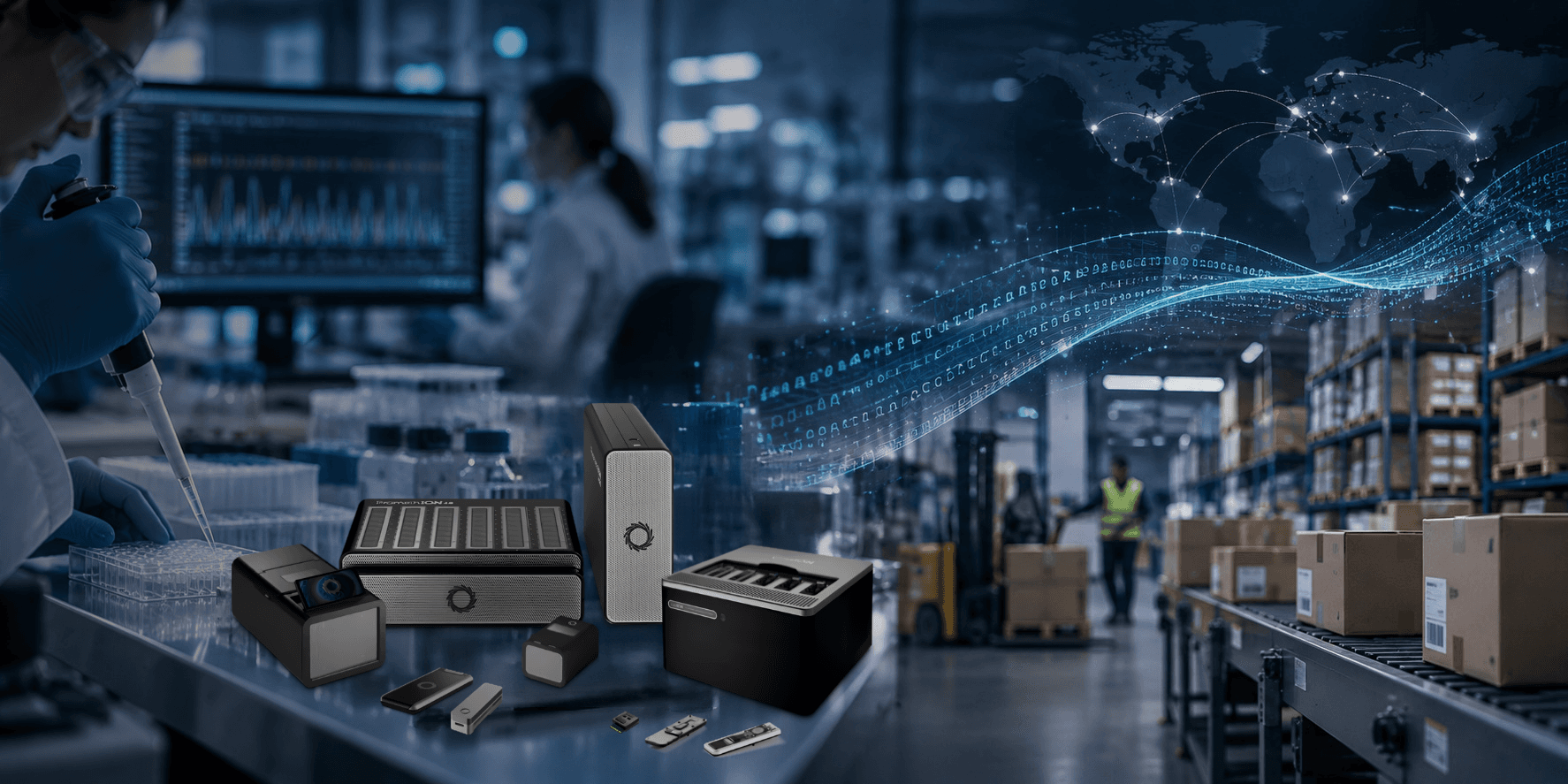
This is an area particularly close to us at Opus because genomics and diagnostics form part of our own professional background. We've spent years around sequencing technologies and have watched both the technology and our ability to interpret genomic information develop considerably. What is particularly interesting now is seeing technologies that have traditionally sat firmly within life sciences and clinical diagnostics moving closer to preventative health and longevity.
Genomics can tell us something about the risk we were born with. Other health data can help us understand what happens along the way.
The genome is only one layer
Knowing someone's genetic risk doesn't tell us what will happen to them. Genetics interacts with environment, behaviour, physiology and countless biological processes throughout our lives, which is one reason researchers are increasingly interested in understanding several layers of biology together.
Blood markers can provide information about cardiovascular health, glucose regulation, hormones, inflammation and metabolism. Proteomics allows researchers to study proteins, while metabolomics looks at small molecules involved in metabolic processes. The microbiome adds another complex biological ecosystem, and imaging, medical history, lifestyle information and wearable data each provide another view of someone's health.
Historically, much of this information has existed separately. Genomic data might be analysed in one place, laboratory results in another and imaging or medical records somewhere else again. Each can tell us something useful, but they don't necessarily tell us the same thing.
The next question is what becomes visible when we stop looking at them independently.
What happens when we put it all together?
Multi-omics combines different layers of biological information such as genomics, proteomics and metabolomics, allowing researchers to investigate relationships that may not be apparent when each is analysed on its own. Combine that biological information with someone's medical history, lifestyle and data collected over time, and we can start looking for patterns across many different measurements rather than treating a cholesterol result, genetic variant or protein independently.
A 2026 study using UK Biobank data provides a particularly interesting example. Researchers combined genomic, proteomic and metabolomic information to investigate cardiovascular disease and developed a multi-omics risk score that identified people at higher risk of six cardiovascular diseases up to 15 years before onset.
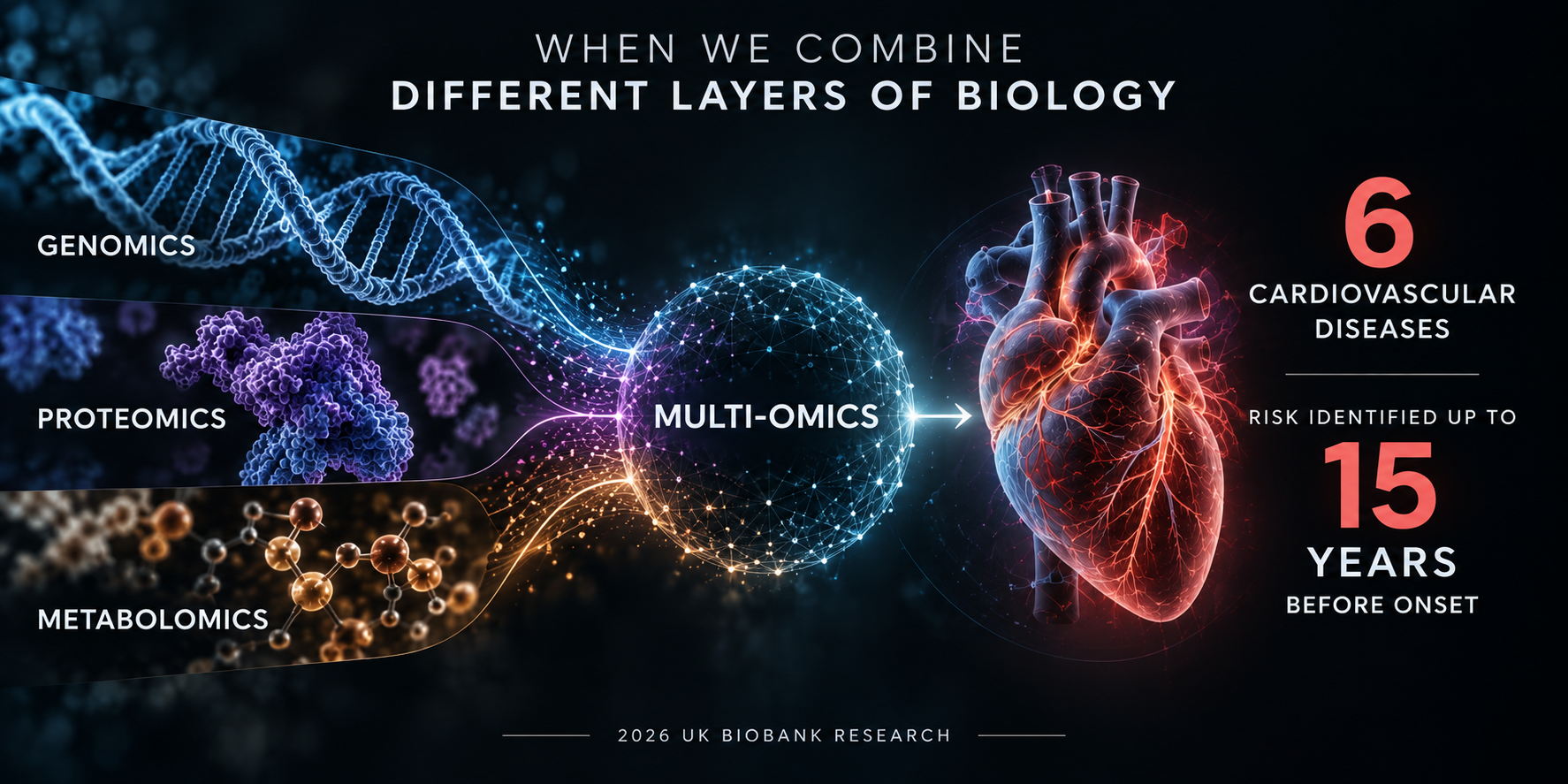
That is quite different from finding one abnormal measurement. The researchers were identifying patterns across several different layers of biology that were associated with disease risk years before the disease itself appeared.
There is still a big step between identifying those patterns across a large research population and using them to make decisions about an individual person's health. Finding a statistical association with future disease also doesn't prove that acting on that information will change the outcome. But research like this gives us an idea of what may become possible as these datasets improve and we get better at analysing them.
The potential isn't simply in measuring more. It's in seeing patterns that individual measurements may not reveal on their own.
A conventional test might tell us whether one measurement falls inside or outside a reference range. Combining different types of biological information could eventually help us understand something much more complicated: the pattern developing across them.
Making sense of all that data
A conventional blood panel is one thing. Combine thousands of genetic variants with proteins, metabolites, imaging, medical history, lifestyle information and months or years of physiological data, and it becomes impossible to interpret everything in the same way we have traditionally interpreted individual test results.
This is one of the areas where AI and machine learning could become genuinely useful. These systems can analyse extremely large datasets and look for relationships across them, which is why they're already being used in areas such as genomics, medical imaging, drug development and disease-risk research.
In preventative health, that could eventually help us work out which signals actually matter for an individual. If someone's genetics suggests an increased risk, for example, does anything in their blood markers, lifestyle or physiological data support it? Are several small changes occurring together? Is there a pattern developing over time that wouldn't be particularly meaningful if each measurement were looked at on its own?
Collecting the data is becoming easier. Making sense of it may be the much harder problem.
There are limits to what we can conclude from these models though. Finding a statistical pattern associated with disease isn't the same as knowing that acting on it will improve someone's health. That's the gap between prediction and clinical utility, and it's particularly important in preventative health, where we're often talking about people who aren't ill in the first place.
Longevity is taking the question even further
Many of these technologies are already appearing together inside modern longevity clinics. Advanced blood testing, continuous glucose monitoring, genomic testing, DEXA scans, VO₂ max testing, microbiome analysis and wearable data can all form part of the same preventative-health programme.
Much of that is ultimately trying to understand risk, function or changes occurring inside the body earlier. Longevity science is also beginning to ask a more ambitious question: can we measure the ageing process itself?
Biological age is one of the more interesting examples. Chronological age simply tells us how long someone has been alive. Biological-age measurements attempt to assess whether aspects of the body appear older or younger than that chronological age based on measurable biological changes.
One approach uses epigenetic clocks, which analyse patterns of DNA methylation that change as we age. Some of these clocks have shown associations with mortality, disease and other health outcomes across populations, which has naturally led to interest in whether they could also be used to measure an individual's ageing process and potentially whether an intervention is affecting it.
The evidence isn't quite there yet. A 2026 analysis of 51 longevity intervention studies found that 26 showed no significant effect on any of the epigenetic clocks assessed, while only 13 reported a reduction in epigenetic age after statistical correction.
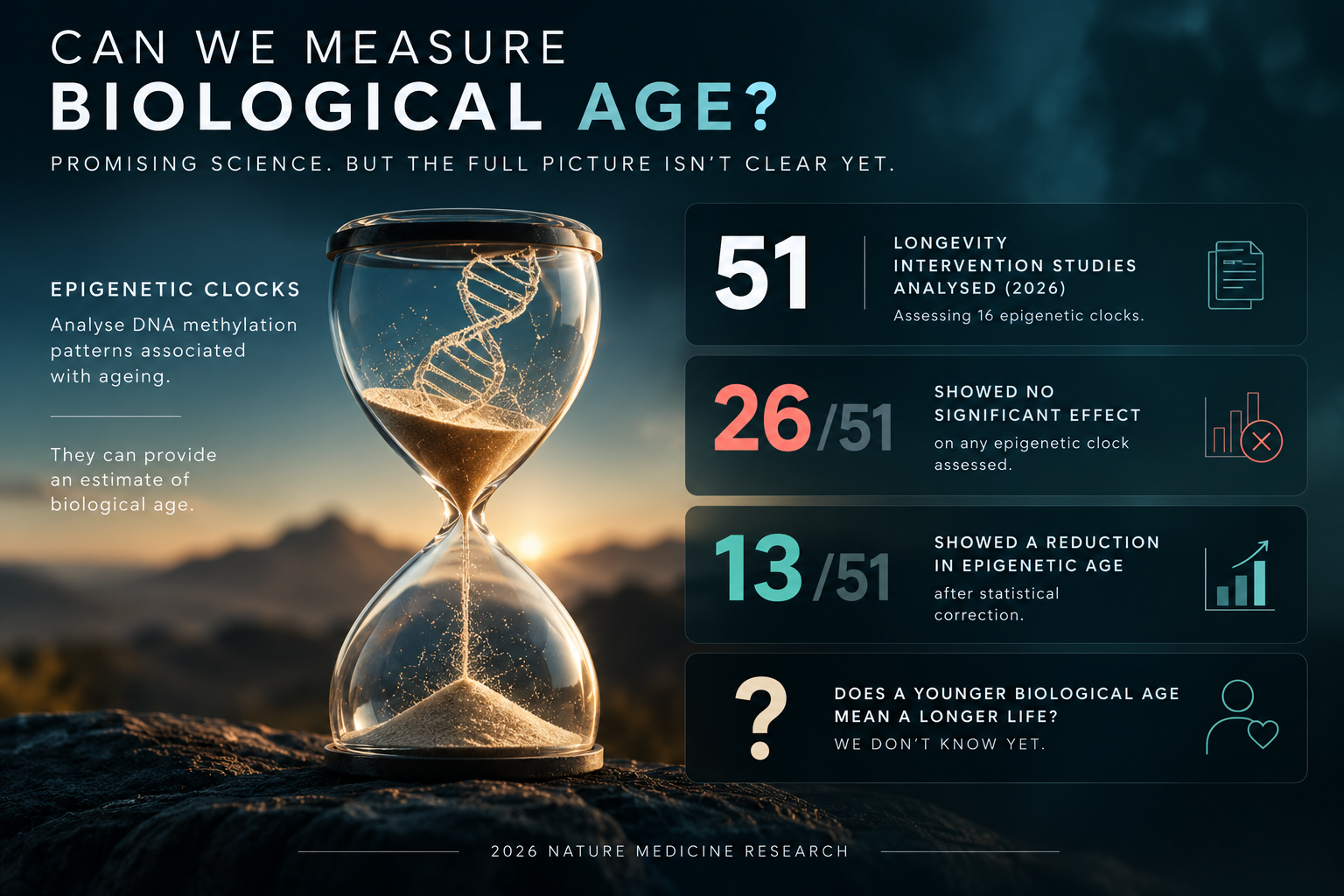
Even when an intervention does appear to make an ageing clock move backwards, there is still an important question. Have we actually slowed or reversed aspects of ageing, or have we changed the biomarker being used to estimate it? We don't yet know whether moving an epigenetic clock backwards means someone will live longer or spend more of their life in good health.
Being able to measure something does not automatically mean we understand what the measurement means.
None of this takes away from the potential of biological-age research. Understanding the processes involved in ageing and finding reliable ways to measure them could have enormous implications for preventative medicine. But right now, there is still a difference between a promising biomarker, a validated clinical tool and a commercially attractive number on a health dashboard.
So, is wellness becoming a branch of life sciences?
Probably not, but the boundaries are becoming much harder to see.
The fundamentals of wellness haven't really changed. Exercise, nutrition, sleep, stress and other aspects of lifestyle still matter enormously. What is changing is our ability to measure more of what is happening underneath them.
We can follow physiological changes between appointments, measure increasingly detailed biological markers and identify inherited risks before someone necessarily becomes ill. Researchers can combine several layers of biology and search for patterns that appear years before disease, while longevity science is beginning to investigate whether aspects of the ageing process itself can be measured reliably.
Some of these technologies already have established clinical uses. Others are moving quickly through research, and some may ultimately prove less useful than the excitement around them currently suggests. That's inevitable in a field developing this quickly.
What is particularly interesting to us is the increasing overlap. Technologies that have traditionally belonged to life sciences, genomics and diagnostics are moving closer to preventative health, wellness and longevity. Having spent years around some of those technologies, it is fascinating to watch where they're beginning to appear and how they're being used differently.
And perhaps the biggest change isn't simply that we can collect more health information. It is that we're beginning to ask a different question.
Instead of waiting until there is a reason to look:
What could we understand today that might help us stay healthier tomorrow?
Building the team behind what’s next in wellness?
Opus Recruiter works with businesses across preventative health, longevity and modern wellness to find the people behind their growth, from clinical and scientific talent to commercial, operational and patient experience roles.
If you're hiring in this space, we'd love to hear what you're building -> Contact us